Toy aeroplanes have captivated the imaginations of children and adults alike for over a century. From simple wooden models to intricate remote-controlled machines, the evolution of these toys reflects broader technological advancements and cultural shifts. This article delves into the rich history of toy aeroplanes, examining their origins, development, and the various forms they have taken over the years.
The Early Beginnings: Origins of Toy Aeroplanes
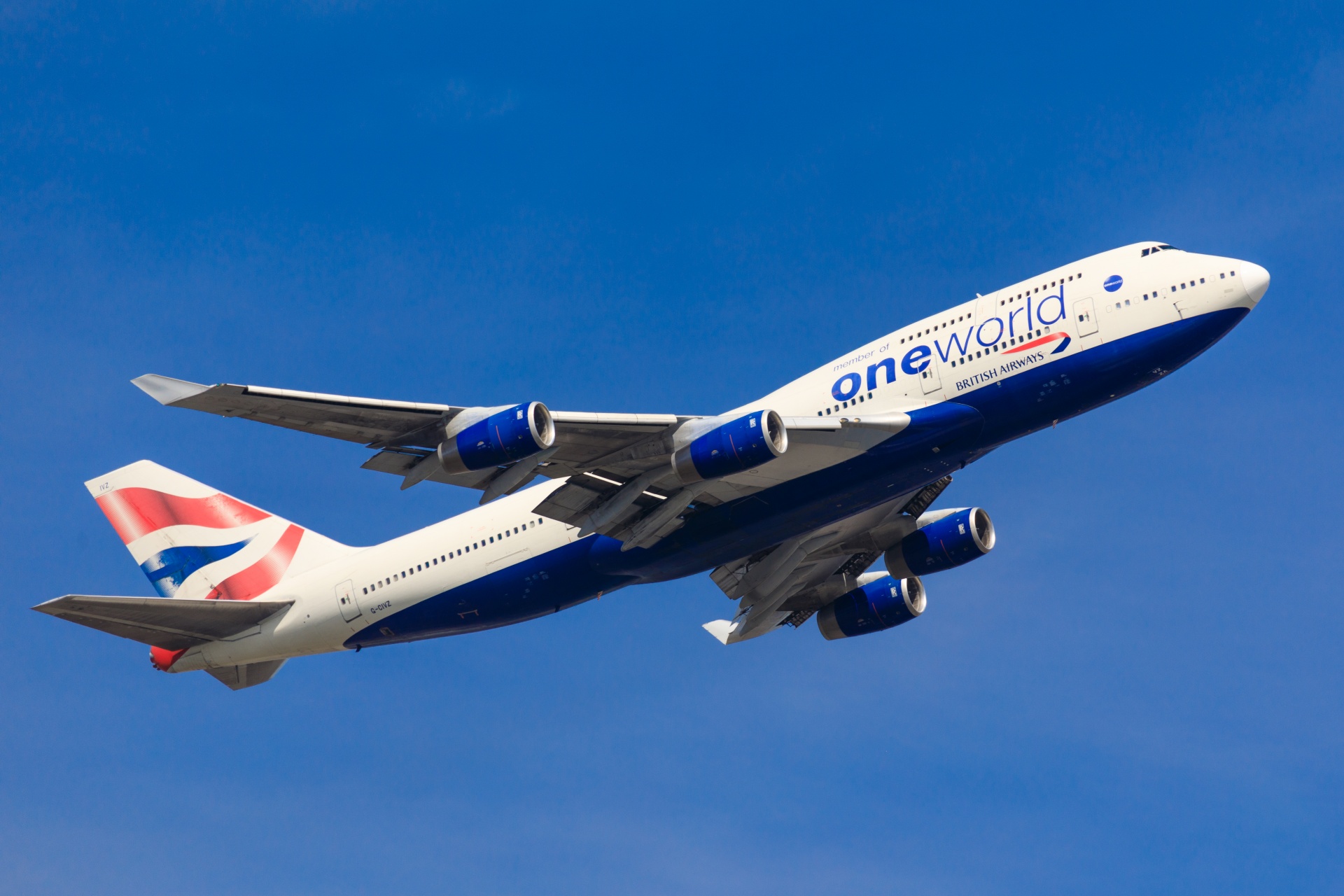
The concept of flight has fascinated humanity for centuries. The earliest toy aeroplanes can be traced back to the late 19th century, during a time when the idea of human flight was becoming a reality with the advent of aviation pioneers such as the Wright brothers.
- Early Models (Late 1800s): The first toy aeroplanes were often simple gliders made from wood or paper. These models were more about demonstrating the principles of flight rather than being actual toys for play.
- Influence of the Wright Brothers (1903): With the successful flight of the Wright brothers in 1903, interest in aviation surged. Toy manufacturers began creating models that mimicked real aircraft designs, often using lightweight materials.
- World War I Era (1914-1918): The war spurred a fascination with aeroplanes. Toy manufacturers began to produce military-style models, allowing children to engage in imaginative play reflecting the realities of the time.
The Golden Age of Aviation Toys

The interwar period and the years following World War II marked a significant turning point in the toy aeroplane industry. This era saw a surge in innovation and marketing, with toys becoming more accessible to families.
- Mass Production (1920s-1930s): Companies like Meccano and Märklin began mass-producing toy aeroplanes. These products were often made from metal and featured realistic details, appealing to children’s desire for authenticity.
- Introduction of Wind-Up Toys (1930s): The invention of wind-up mechanisms allowed toy aeroplanes to move on their own. This innovation added a new layer of excitement and engagement for children.
- Post-War Boom (1940s-1950s): The end of World War II brought about a consumer boom, and toy aeroplanes became increasingly popular. Plastic became the primary material for manufacturing, allowing for colorful designs and lower production costs.
The Rise of Remote Control and Electronic Toys
The 1960s and 1970s marked the dawn of a new era for toy aeroplanes, as technology advanced rapidly, introducing remote control and electronic features into the mix.
- Remote Control Revolution (1960s): The introduction of remote control technology transformed how children interacted with toy aeroplanes. Brands like Tyco and Mattel capitalized on this trend, producing remote-controlled models that could perform stunts and maneuvers.
- Electronic Flight Simulation (1970s): With advancements in electronics, toy aeroplanes began to incorporate sound and light features. This added a new level of realism that appealed to older children and collectors.
- Collectibility and Nostalgia: As the hobbyist culture grew, manufacturers began producing collectible models, often designed to replicate vintage aircraft, further bridging the gap between toys and collectibles.
The Impact of Computer Technology
.jpg)
In the late 20th and early 21st centuries, the integration of computer technology fundamentally changed the landscape of toy aeroplanes.
- Digital Remote Control (2000s): The emergence of digital remote control systems allowed for more precise control and additional features, such as programmable flight paths and telemetry data.
- FPV (First Person View) Technology: The introduction of FPV technology enabled pilots to experience flight from a first-person perspective. Drones equipped with cameras gave children and enthusiasts a new way to explore the skies.
- 3D Printing (2010s): The rise of 3D printing technology allowed hobbyists to design and print their own toy aeroplanes, paving the way for personalization and creativity.
The Modern Era of Toy Aeroplanes
Today, toy aeroplanes come in numerous forms, catering to a wide range of interests and skill levels. The modern era has seen a diversification of products, influenced by trends in technology and consumer preferences.
- Drones: The popularity of drones has exploded, with many companies producing models specifically designed for children. These drones often come equipped with features like auto-stabilization and easy-to-use controls.
- STEM Toys: Many modern toy aeroplanes are designed to foster learning in science, technology, engineering, and mathematics (STEM). Kits that allow children to build their own models introduce basic engineering concepts and stimulate creativity.
- Augmented Reality (AR): Some toy aeroplanes now incorporate AR technology, allowing users to interact with virtual environments through their devices, enhancing the play experience.
Case Studies: Popular Toy Aeroplane Brands
Several brands have significantly influenced the toy aeroplane market, shaping trends and consumer preferences over the decades. Here are a few notable examples:
- LEGO: Known for its construction toys, LEGO has incorporated aeroplanes into its themes, allowing children to build and customize their aircraft. The LEGO Creator line includes various aeroplane models, promoting creativity and engineering skills.
- Fisher-Price: This brand has a long history of creating durable and child-friendly toys. Their aeroplane models are designed for younger children, focusing on imaginative play and safe materials.
- Horizon Hobby: A leader in the remote-controlled aircraft market, Horizon Hobby has developed a wide range of RC planes, from beginner-friendly models to advanced aircraft for experienced hobbyists.
Statistics and Trends in the Toy Aeroplane Market
The toy aeroplane market has seen significant growth over the years, driven by innovation and changing consumer preferences. Here are some statistics that illustrate the current landscape:
- The global toy market is projected to reach $120 billion by 2025, with aeroplanes accounting for a significant share.
- Remote-controlled toys, including aeroplanes, saw a 20% increase in sales during the pandemic as families sought engaging indoor activities.
- According to market research, 65% of parents prefer educational toys, leading to a rise in STEM-focused aeroplane kits.
The history and evolution of toy aeroplanes reflect not only advancements in technology and manufacturing but also shifts in cultural attitudes toward play and education. From simple wooden gliders to sophisticated drones and STEM kits, toy aeroplanes have continually adapted to meet the desires of children and parents alike. As we look to the future, it is clear that the fascination with flight will continue to inspire generations, fostering creativity and imagination in children around the world.